
If you’re expecting, you’ve probably already fielded dozens of unsolicited opinions about what you should and shouldn’t do. Most of it’s noise. But there are actually specific, evidence-backed healthy habits for pregnant women that can meaningfully improve both your pregnancy experience and your baby’s long-term health outcomes. The catch? They’re less about perfection and more about building sustainable routines that fit your life.
I’ve spent years researching prenatal wellness, and what strikes me most is how much conflicting advice floats around pregnancy forums and even in some medical offices. The goal here is to cut through that and give you the habits that actually matter—the ones supported by research, practical to implement, and realistic for the nine months ahead.
Why Building Healthy Habits for Pregnant Women Matters Now

Pregnancy isn’t the time to overhaul your entire life, but it is a critical window for establishing habits that affect fetal development, maternal health, and postpartum recovery. Research from the American College of Obstetricians and Gynecologists shows that pregnant women who maintain regular physical activity and balanced nutrition have lower rates of gestational diabetes, preeclampsia, and excessive weight gain—all of which can complicate delivery and postpartum recovery.
The reality is that your body is undergoing one of the most dramatic transformations it will ever experience. Your blood volume increases by 50%, your heart has to work harder, and your metabolism shifts to support fetal growth. That’s not a reason to panic; it’s context for understanding why the habits you build now matter more than they do in non-pregnant life.
One often-overlooked fact: the habits you establish during pregnancy tend to stick around after delivery. If you build a consistent movement practice now, you’re more likely to maintain it postpartum. If you establish regular meal times and hydration routines, you’ll find yourself gravitating back to them once the baby arrives and sleep deprivation kicks in.
Movement and Exercise: What Actually Works

Matilda Wormwood
Let’s start with something most pregnant women fear talking about: exercise. There’s a lingering myth that pregnancy should be a sedentary time. It’s not. The American College of Obstetricians and Gynecologists recommends 150 minutes of moderate-intensity aerobic activity per week for pregnant women without contraindications—that’s the same as non-pregnant adults.
But here’s what I mean by ‘moderate intensity’: you should be able to hold a conversation while doing it. If you’re gasping for breath, you’ve gone too hard. Walking is one of the most underrated healthy habits for pregnant women. A 30-minute walk five days a week hits that 150-minute target without requiring a gym membership or specialized equipment. Start where you are—if you’re currently sedentary, begin with 10-minute walks and build from there.
Swimming deserves special mention. The water supports your changing center of gravity, reducing strain on joints and lower back—a major pain point in pregnancy. Many pregnant women I’ve talked to say swimming is the only time their back doesn’t ache. Prenatal yoga is another solid option, though make sure your instructor has specific prenatal training. Avoid deep twists, lying flat on your back after the first trimester, and anything that involves ballistic bouncing or jarring movements.
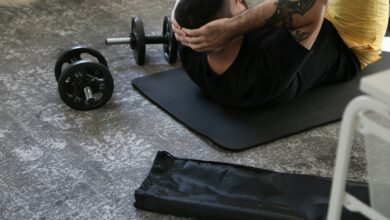
Strength training is completely safe and surprisingly valuable. Light weights or resistance bands help maintain muscle mass, which improves postpartum recovery and reduces injury risk. Focus on compound movements—squats, modified push-ups, rows—rather than isolation exercises. Your pelvic floor muscles also benefit from targeted work, and a physical therapist specializing in pregnancy can teach you proper pelvic floor exercises that prevent incontinence later.
The key habit to build: consistency over intensity. Three 20-minute sessions you’ll actually do beat one ambitious 90-minute workout you’ll abandon by week three. Schedule it like a medical appointment. Most pregnant women do better with movement earlier in the day when energy is higher and nausea (if present) is less intense.
Nutrition: Eating for Two Doesn’t Mean Eating Twice as Much
Here’s the uncomfortable truth that challenges the ‘eating for two’ narrative: a pregnant woman in her third trimester needs only about 300 additional calories per day. That’s roughly one extra piece of fruit and a handful of nuts. Yet the average pregnant woman gains 30-35 pounds, with some gaining significantly more—often because nobody explains the actual caloric reality.
Building healthy habits for pregnant women around food means prioritizing nutrient density over quantity. You need extra protein (about 70 grams daily, up from the standard 50 grams), but not extra sugar or empty carbohydrates. Your iron needs spike to 27 milligrams daily because your blood volume is expanding. Without adequate iron, you risk pregnancy anemia, which can contribute to postpartum depression and fatigue.
Concrete habit: eat a protein source at every meal. Eggs, Greek yogurt, cottage cheese, lean meat, legumes, nuts—pick what you tolerate (pregnancy nausea is real). Include iron-rich foods regularly: red meat, poultry, beans, fortified cereals. Pair them with vitamin C sources—citrus, bell peppers, tomatoes—because vitamin C dramatically improves iron absorption.
Folate becomes critical, especially in the first trimester. Leafy greens, asparagus, lentils, and fortified grains all provide folate. Most prenatal vitamins include folic acid (the synthetic form), but food-based folate works alongside supplementation. Aim for variety—the range of nutrients in different foods can’t be replicated by any single supplement.
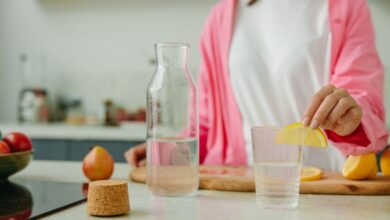
Hydration often gets overlooked. Pregnant women need more water than they realize. Dehydration can trigger Braxton-Hicks contractions, constipation, and headaches. A practical habit: drink a large glass of water when you wake up, before each meal, before bed, and whenever you feel thirsty. Aim for about 10 cups daily, though individual needs vary.
One final nutrition habit worth building: limit foods of unclear origin. Soft cheeses (unless clearly labeled as made from pasteurized milk), deli meats, sushi with raw fish, and high-mercury fish carry specific risks in pregnancy. Not because one exposure will harm your baby, but because consistent exposure can. This is one area where the precaution is worth the inconvenience.
Sleep, Stress, and Mental Health Habits
Pregnancy does something weird to sleep architecture. You’ll wake more frequently, particularly in the second and third trimesters. Rather than fighting this, build habits that support better sleep quality. Left-side sleeping—this is the habit obstetric professionals emphasize most—improves blood flow to the placenta and reduces pressure on major blood vessels. I know it feels awkward; your body has preferences. But practicing left-side sleeping before pregnancy gets uncomfortable makes it easier when you need it most.
A pregnancy pillow isn’t luxury; it’s practical support for your growing belly and changing spine alignment. Most pregnant women sleep better with one. Set a consistent bedtime, even if you’re exhausted—sounds backward, but regular sleep schedules actually improve sleep quality despite frequent awakenings.
Stress management during pregnancy isn’t a nice-to-have. Research links chronic prenatal stress to increased cortisol exposure in utero, which can affect fetal brain development and increase postpartum mood disorder risk. That doesn’t mean you need to achieve Zen-like calm—pregnancy is stressful. But building a stress-management habit, even a small one, matters.
This might look like 10 minutes of breathwork daily, a prenatal yoga class twice weekly, journaling, time in nature, or conversations with a therapist who specializes in perinatal mental health. The American Psychological Association supports therapy during pregnancy as a protective factor against postpartum depression. If you have a history of depression or anxiety, planning mental health support during pregnancy isn’t optional—it’s wise prevention. According to research from major maternal health institutions, untreated perinatal mood disorders affect 1 in 5 pregnant women, making this genuinely important.
Building Sustainable Habits: The Practical Framework
The reason most healthy habits for pregnant women fail isn’t because they’re bad ideas—it’s because they’re introduced as total-life overhauls. You’re already managing pregnancy symptoms, work, relationships, and the logistics of preparing for a baby. Adding five new habits simultaneously sets you up to abandon all of them by week four.
Instead, pick one habit to build for the first 2-3 weeks. Once it feels automatic, add another. Start with whichever habit will have the highest impact on how you feel right now. If your lower back aches constantly, start with daily walks or swimming. If you’re exhausted and nauseous, focus on consistent meal timing and hydration. If you’re anxious about labor and delivery, prioritize a prenatal class or mindfulness practice.
Track implementation, not perfection. You don’t need to exercise 150 minutes perfectly; you need to move regularly. You don’t need to meal-prep like a professional chef; you need to eat protein at meals and drink enough water. The habits that stick are the ones that fit your life, not the idealized version of your life.
Research from behavioral psychology shows that attaching new habits to existing routines—what researchers call ‘habit stacking’—increases success rates dramatically. So ‘I’ll take a walk after my morning coffee’ works better than ‘I’ll walk at some point.’ ‘I’ll drink a glass of water when I sit at my desk’ sticks better than ‘I’ll drink more water.’ Be specific about when and where, and you’ve already solved half the problem.
Throughout your pregnancy, your healthcare provider can offer personalized guidance. If you have specific health conditions, previous pregnancy complications, or other risk factors, some of these general recommendations may need modification. This article provides framework based on standard prenatal wellness research, but your own medical history and provider’s expertise should always be your final reference.
The evidence is clear: the healthy habits for pregnant women that matter most are the ones you’ll actually maintain. Start small, build consistency, and remember that pregnancy is a temporary state that sets the stage for everything that comes after. The routines you establish now—the movement you do, the nutrients you prioritize, the stress you manage—often become the foundation for your postpartum wellness. That’s the real win.
For comprehensive guidance on prenatal health and nutrition, the CDC and American College of Obstetricians and Gynecologists both offer evidence-based resources for expectant parents.
Frequently Asked Questions
What are the best exercises for pregnant women?
Walking, swimming, prenatal yoga, and light strength training are safe and beneficial during pregnancy. The key is moderate intensity—you should be able to hold a conversation. Aim for 150 minutes of movement weekly unless your healthcare provider recommends otherwise. Avoid high-impact activities, deep twists, and lying flat on your back after the first trimester.
How much extra food do pregnant women actually need?
Pregnant women need only about 300 additional calories daily in the third trimester, roughly equivalent to a piece of fruit and a handful of nuts. Focus on nutrient density rather than quantity. Increase protein to 70 grams daily, prioritize iron-rich foods, stay hydrated, and take prenatal vitamins as recommended by your healthcare provider.
Can I exercise during pregnancy if I’ve never exercised before?
Yes, but start slowly and build gradually. Begin with 10-minute walks and increase duration over time, aiming eventually for 150 minutes weekly. Walking, swimming, and prenatal yoga are excellent low-impact options for beginners. Always discuss new exercise routines with your healthcare provider, especially if you have any pregnancy complications or health conditions.
What foods should pregnant women avoid?
Avoid raw fish, unpasteurized soft cheeses, deli meats, and high-mercury fish like shark and swordfish. Also limit caffeine to 200 milligrams daily. These precautions reduce exposure to potential foodborne pathogens and substances that could affect fetal development. When in doubt, check with your healthcare provider about specific foods.
How much sleep do pregnant women need?
Pregnant women typically benefit from 8-10 hours of sleep nightly, though quality often matters more than quantity as pregnancies progress. Left-side sleeping improves placental blood flow and is recommended by obstetricians. Use a pregnancy pillow for support, maintain a consistent bedtime, and rest when you can—sleep needs increase throughout pregnancy.
Is prenatal stress management important?
Yes, chronic prenatal stress can increase cortisol exposure that may affect fetal development and postpartum mood. Building stress-management habits like prenatal yoga, therapy, journaling, or breathwork provides protective benefits. If you have a history of depression or anxiety, discussing mental health support with your healthcare provider during pregnancy is strongly recommended.