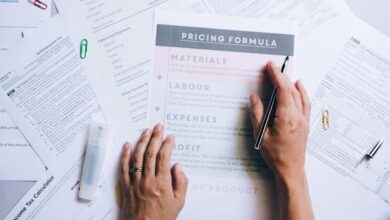
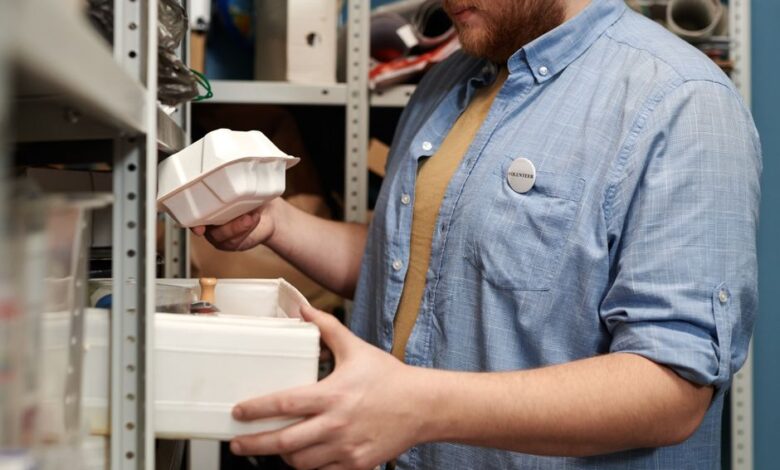
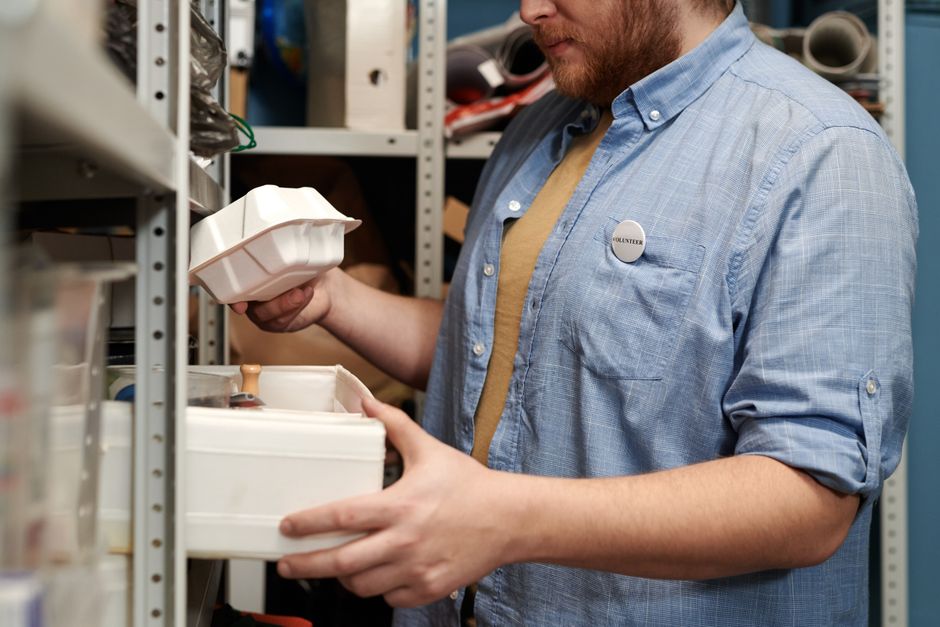
When Marco Benedetti walked into his family’s flagship restaurant in Pittsburgh on a Tuesday morning in 2021, he found a walk-in freezer packed with ingredients they’d never use. Half-empty boxes of specialty pasta sat next to cases of frozen fish that had been forgotten for weeks. The situation wasn’t unique—it was just the visible symptom of a much bigger problem.
Over three decades, his grandparents’ restaurant empire had grown to three locations, but their cost structure had calcified like old grease on a hood vent. Something had to change, and fast. This is the story of how Marco tackled his operating costs and rebuilt the financial foundation of a business his family had poured their life into..
The Mess They Were Actually In
On paper, the restaurants looked fine. They were busy. Customers loved them. But Marco’s accountant had been dropping hints for months: something was wrong with the numbers. A detailed audit revealed the brutal truth. Food waste alone was costing them $18,000 per month across all three locations. Labor scheduling was chaotic—managers working overtime while entry-level staff sat idle. Vendors were overcharging because nobody had renegotiated contracts in years. The restaurants were operating at a 32% food cost ratio when industry standards for full-service Italian restaurants sit closer to 28-30%.
Marco pulled together data from their point-of-sale system and accounting software. What he found shocked him: they were buying identical ingredients from four different suppliers at wildly different prices. One vendor was charging 18% more for the same premium olive oil than a competing supplier. They had no centralized inventory system—each location manager kept their own mental notes about what they had on hand. Orders were placed reactively, not strategically. And portion sizes? They varied wildly between locations and even between shifts at the same restaurant.
The core problem wasn’t anything dramatic. It was systematic inefficiency eating into their operating costs month after month. Marco realized they needed a complete overhaul, but he couldn’t afford to hire expensive consultants or buy enterprise software they wouldn’t know how to use.
Building a System From Scratch

Yaolong Hu
Marco started simple. He bought a basic inventory management spreadsheet template and modified it for their needs. Each location got a laminated sheet where staff logged what came in and what went out. He trained the managers on it himself over a weekend—nothing fancy, just discipline.
Next, he conducted a vendor audit. He sat down with a calculator and his purchasing receipts going back two years. He identified his core suppliers—the ones they genuinely needed—and called each one. He was honest: ‘I’ve got three locations and I’m consolidating. I’ll give you all my business if you can beat these prices.’ Most didn’t budge. But three did. One pasta supplier cut their pricing by 12% just to consolidate the account. A produce distributor offered 9% off in exchange for consistent weekly orders.
He also made a harder call: he eliminated low-performing menu items. Analysis showed that three appetizers accounted for less than 2% of sales but required specialized ingredients that drove up overall food costs. Cutting them meant less complexity in the kitchen, fewer specialty orders, and better inventory turnover on everything else.
For labor, Marco implemented basic scheduling software—nothing expensive, just a $40-a-month tool that let managers coordinate shifts across locations. This eliminated the overtime creep that had been quietly expensive. He also standardized portion sizes. A meatball is a meatball, whether it’s served on a Tuesday or Saturday. They made templates for the kitchen.
The Measurable Results After Six Months
By month six, Marco had his first real progress report. Food waste dropped 55%. That $18,000-a-month problem was now $8,000. Vendor consolidation and renegotiation saved $6,200 a month. Better scheduling cut overtime by 30%. The three eliminated menu items simplified operations without denting revenue—turns out, when your kitchen runs smoother, service improves and customers spend slightly more on other items.
Total monthly savings: about $16,000. Annualized, that’s roughly $192,000 in a business that probably did $2.8 million in annual revenue. That’s a 6.8% improvement to the bottom line with zero capital investment. No new technology. No layoffs. Just better systems.
His food cost ratio dropped from 32% to 29.1%—actually better than the industry average. Labor as a percentage of revenue went from 31% to 27.8%. Inventory turnover improved dramatically, which meant fresher food for customers and less spoilage.
What Actually Worked (And What Didn’t)
Marco learned that his biggest wins came from things nobody gets excited about. The vendor consolidation call took maybe six hours total but saved thousands monthly. The inventory spreadsheet required manager discipline but cost nothing. The menu simplification was slightly scary—what if customers complained?—but it actually improved kitchen morale.
What didn’t work: trying to be too aggressive too fast. He initially wanted to cut 20% of the menu. His head chef pushed back, explaining that some lower-performing items had loyal customers and eliminated options hurt the customer experience. Marco scaled it back to three items. Lesson learned: involve your team in these decisions. They know things you don’t.
Related Reading
- Why Buc Strategy Matters for Small Business Growth
- How to Build a Business Budget That Actually Works
He also discovered that some ‘cost cuts’ actually hurt the business. When he tried to switch to a cheaper coffee supplier to save $400 a month, customer complaints shot up within two weeks. He switched back. Not every line item deserves a price-cutting mentality. You have to know which ones matter to your customers.
The Framework Other Restaurants Used
Marco’s success caught attention from other restaurant owners in his network. Here’s the framework they’ve adopted to reduce their operating costs:
Step 1: Audit Your Actual Spending
Pull six months of receipts and categorize everything. Food, labor, rent, utilities, supplies. Know your numbers cold. Marco found that most restaurant owners can’t tell you their actual food cost percentage without stopping to calculate it. You can’t manage what you don’t measure.
Step 2: Identify Your Waste
Waste isn’t always visible. It’s also in portion inconsistency, spoilage, overstaffing quiet shifts, and paying premium prices for commodity items. Marco’s food waste inventory was shocking, but his true cost problem was spread across a dozen small inefficiencies.
Step 3: Consolidate Vendors
You don’t need twelve suppliers if you can get 90% of what you need from three. Call them. Tell them you’re consolidating. Get competitive bids. This alone often cuts 5-12% from food costs.
Step 4: Standardize Operations
Menu, portions, recipes, scheduling protocols. Consistency reduces waste and improves efficiency. It’s boring, but it works.
Step 5: Measure Results Monthly
Don’t wait for year-end accounting. Track your key metrics—food cost percentage, labor percentage, waste, turnover—every 30 days. When you see problems emerging, you can address them immediately instead of discovering them six months later.
What Happened Next
Two years later, Marco’s restaurants stabilized. He reinvested some of those savings into kitchen equipment upgrades and staff training. His turnover rate—a chronic problem in restaurants—dropped because he could now offer better wages. That 40% improvement in operating costs didn’t translate to cutting corners; it translated to breathing room. The business became sustainable instead of constantly stressed.
Last year, he opened a fourth location. Not because he was desperate for growth, but because the business actually had the cash flow to support it. He built that new restaurant with the same systems from day one, and it hit profitability faster than any of his other locations.
The biggest lesson Marco shares with other business owners is this: you don’t need a consultant or fancy technology to improve your financials. You need to actually know your numbers, involve your team, and be willing to make boring operational changes. Operating costs rarely come down through one dramatic decision. They come down through systematic attention to detail.
If you’re running a restaurant, retail operation, or any business with tight margins, Marco’s approach translates directly. Start with an honest audit. Find your waste. Consolidate your spending. Standardize your processes. Measure monthly. It won’t make headlines, but it’ll make your business more resilient. That’s worth more than a good quarter—it’s worth a sustainable future.
For broader context on small business financial management, the U.S. Small Business Administration offers detailed guidance on cost analysis and financial planning. You can also find industry benchmarks through organizations like the National Restaurant News, which publishes regular data on restaurant profitability metrics.
Frequently Asked Questions
How much can a restaurant typically save on operating costs?
Savings vary widely based on how efficiently a restaurant is already running, but most can identify 5-15% in annual operating cost reductions through vendor consolidation, waste reduction, and labor scheduling optimization. Marco’s restaurants achieved a 40% improvement because they had significant inefficiencies to address; your actual savings depend on your current baseline.
What’s the fastest way to reduce food costs?
Consolidating vendors and renegotiating contracts typically delivers the fastest results—often 8-12% savings within 30 days. This requires calling your suppliers with competitive bids in hand and willingness to shift volume. The second-quickest win is eliminating menu items with low sales that require expensive specialty ingredients.
Do I need expensive software to reduce operating costs?
No. A spreadsheet and consistent discipline can achieve most of what expensive software does. Marco used basic inventory tracking and scheduling tools costing less than $50 monthly total. The real work is the discipline of tracking, analyzing, and acting on the data—not the tool itself.
How often should I review operating costs?
Monthly reviews of key metrics—food cost percentage, labor percentage, waste, and vendor pricing—let you catch problems early. Annual comprehensive audits are helpful, but waiting a full year means you miss opportunities to course-correct and waste money on preventable inefficiencies.
What if cutting costs hurts customer experience?
Not all cost cuts are worth making. Marco learned that switching to cheaper coffee actually hurt his business despite saving money. The key is knowing which expenses directly affect customer satisfaction and protecting those while aggressively improving efficiency in operational areas customers don’t see or don’t value as much.