You’re landing at IAH on a Wednesday morning with back-to-back client meetings, a networking event Thursday night, and absolutely no idea where to actually conduct business in Houston beyond your hotel lobby. The city’s sprawling geography doesn’t help—it’s 670 square miles with minimal zoning, so ‘downtown’ feels fragmented, and your GPS will confidently send you 45 minutes in the wrong direction if you’re not careful. But here’s what most business travelers miss: Houston has quietly become one of the most underrated cities for professional work and deal-making, with a thriving energy sector, growing tech scene, and restaurant culture that actually works for power lunches..
To cut through the noise and get the real story, I spoke with Marcus Chen, a business travel consultant who’s spent the last six years helping executives navigate Houston for extended projects. Chen works with corporate relocation teams and frequently consults for companies like Schlumberger and Halliburton as they move teams in and out of the city. His insights go beyond the typical tourism advice—he focuses on where work actually happens, where your clients will expect to meet, and how to maximize your time between meetings.
The Geography Problem and Where Serious Business Actually Happens
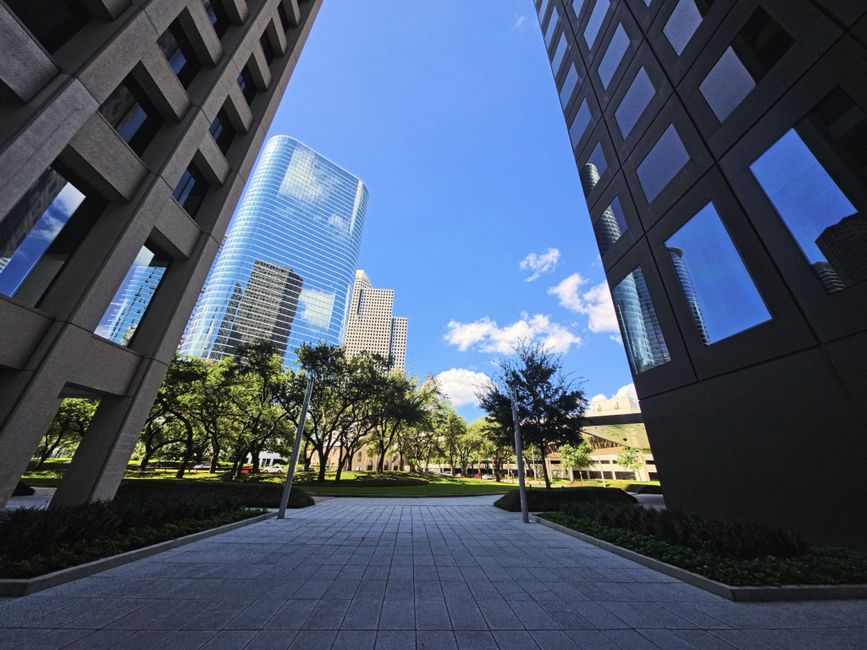
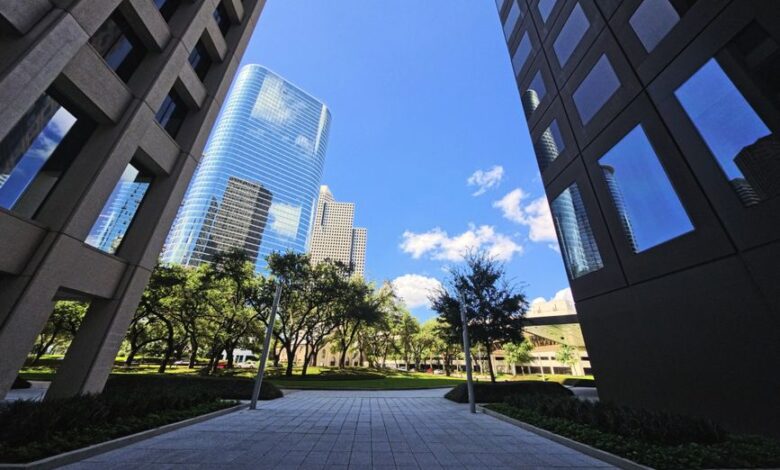
‘Most people think downtown is the business center, and it was in 1985,’ Chen says with a wry smile. ‘But Houston’s major business clusters are spread across the city now, and that’s something visiting professionals consistently underestimate.’ The reality is that while downtown has the old money and energy companies, the real growth is happening in three distinct zones: the Uptown/Galleria area (where you’ll find corporate headquarters for Exxon Mobil, Chevron, and countless others), the Greenway area near the 610 loop (tech and medical device companies), and surprisingly, Houston’s East End near the Port (maritime and industrial logistics)..
For a visiting executive, this matters enormously. If you’re meeting with someone at an energy company, you’re likely traveling to Uptown or Downtown. If you’re working with tech startups or medical device firms, you’re heading to Greenway or Washington Avenue. ‘I had a client fly in from New York expecting all meetings in downtown Houston,’ Chen recalls. ‘His first meeting was 20 minutes away, his second was 35 minutes in the opposite direction. By day two, he understood why Houston has a reputation for traffic. By day three, he understood why people schedule fewer meetings per day here.’
The lesson: cluster your meetings geographically. If you’re doing business travel to Houston, ask your contacts upfront where they’re based and build your itinerary around those locations. You’ll save 90 minutes of driving and significantly improve your productivity.
Workspace and Meeting Venues Beyond the Hotel Conference Room
kingsley li
Here’s where most business travelers fail: they book their hotel and assume they’ll do all their work there. Houston’s hotel conference rooms are expensive, often mediocre, and they send a subtle signal that you’re not established in the city. ‘If you’re spending three days in Houston, invest two hours finding a proper workspace,’ Chen advises. ‘Your clients notice where you’re working from, and it matters.’
The Galleria area has several solid options. WeWork and Spaces both have locations that work for drop-in rates ($50-75 per day), though they’re more useful if you need a specific aesthetic for a Zoom call than for hosting clients. More impressive: many of Houston’s major hotels now offer ‘business class’ rooms with dedicated work areas and free daytime access to lounge workspaces. The Lancaster Hotel in downtown (a luxury boutique property) explicitly caters to business travelers and includes unlimited workspace access with your room—which Chen says is worth the premium if you’re hosting client meetings.
But the real secret? Coffee shops and restaurants. Agora, a contemporary Greek restaurant in Uptown, has open, elevated seating and a bar area that’s perfect for casual business lunches without the stiffness of a formal meeting room. Weights + Measures, a cocktail bar near Washington Avenue, does excellent lunch service and has high-top tables that work beautifully for late-morning meetings when you want something less formal than a full restaurant setting. ‘These spots signal that you’re someone who knows the city,’ Chen notes. ‘You’re not treating Houston like a generic business destination.’
For serious boardroom meetings, you can’t beat the legacy spaces downtown—the offices of major law firms like Baker Botts and Vinson & Elkins have client conference rooms that communicate stability and gravitas. But here’s the catch: you can’t just walk in. If you’re using these spaces, your client contact usually facilitates the booking. Don’t try to rent these independently.
Networking and Industry-Specific Events Worth Your Time
Houston hosts roughly 200 major industry conferences and networking events annually, but most business travelers waste time at generic meetups instead of targeted industry gatherings. Chen’s framework is simple: ‘Identify your industry, find the Houston chapter or regular event for that industry, then actually attend it. Don’t network with random people in your hotel bar—network with decision-makers in your actual vertical.’
For energy sector professionals, the Houston Petroleum Club (yes, it’s exactly as formal as it sounds) hosts monthly forums with upstream and downstream decision-makers. There’s typically a $75 member fee or $30 for a guest pass, and the caliber of people in the room is undeniably high. The Texas Medical Center, which is the world’s largest medical complex by acreage, hosts industry-specific networking events nearly every week—focused on healthcare IT, device innovation, and pharmaceutical development.
If you’re in the maritime or port logistics world, the Greater Houston Port Bureau runs quarterly events that are essential for understanding the latest regulatory and infrastructure developments..
Tech-focused professionals have it easier now. The Houston tech scene has expanded considerably, and spaces like Station Houston (a coworking community in East Downtown) regularly host pitch events, founder roundtables, and investor meetups. These tend to be less formal than energy sector gatherings, which actually works in your favor if you prefer networking over rigid keynote speeches.
‘The difference between efficient networking and wasted evenings is specificity,’ Chen says. ‘Go where your actual peers go. You’ll have meaningful conversations instead of collecting business cards from people in adjacent industries.’
Getting Around: The Traffic Reality and Timing Hacks
Let’s address the obvious: Houston traffic is genuinely bad. The city ranked 10th worst in the nation for commute times in 2024, with average peak-hour delays adding about 47 hours annually to commutes. If you’re only here for two days, this might not destroy your schedule, but it will surprise you if you’re not prepared.
‘Schedule meetings with a 20-minute buffer between locations,’ Chen recommends. ‘If it’s 15 minutes of driving, plan 35 minutes of travel time. You’ll look disorganized if you’re rushing, and Houston traffic is genuinely unpredictable.’ Most business professionals here have given up on fighting traffic and instead build in these buffers as standard practice. It’s not paranoia—it’s Houston literacy.
Ride-sharing (Uber and Lyft are ubiquitous) is often smarter than renting a car for business travel to Houston if you don’t know the city. You’ll spend $25-40 per ride instead of $70-90 per day on car rental plus parking, and you can work during the drive. Parking downtown runs $15-25 per day, and parking at the Galleria-area office parks is variable but often requires pre-negotiation.
One underrated option: the Uptown/Galleria area is moderately walkable if your meetings are clustered. The Galleria mall itself is connected to multiple office towers via climate-controlled skyways—genuinely useful for Houston’s heat and humidity.
Food and Dining: Where Real Business Happens Over Lunch
Houston’s restaurant scene has transformed significantly in the past five years, and it’s now genuinely competitive with Dallas and Austin. More importantly, it’s become a legitimate business advantage. ‘A client dinner or lunch in Houston sets you apart,’ Chen explains. ‘The city has restaurants where you can actually have a conversation, the food is excellent, and it doesn’t require you to book six months ahead like major cities.’
For formal client dinners, Pappas Bros. Steakhouse (multiple locations) remains the gold standard. It’s traditional, reliably excellent, and everyone from the energy sector knows it. Expect to spend $80-120 per person including drinks. Uchi, a high-end Japanese restaurant in Uptown, offers more innovation and sophistication for roughly the same price point—it’s particularly effective if you want to signal that you’re thoughtful about hospitality without being stuck in 1985 steakhouse traditions.
For lunches, Rezdôôt (Persian fine dining) in Uptown offers elevated cuisine in a sophisticated but not stuffy setting. Crawfish and Co. works for casual lunches or informal networking—it’s casual enough to be relaxed but still appropriate for business conversation. For quick, impressive lunches without eating at your desk, the poke and sushi offerings at Bloom & Bloom (multiple locations) are genuinely good, and they understand that business professionals are eating quickly.
The hidden gem: James Beard Award-winning chef Robert Del Grande runs several restaurants including Chez Edmond, which offers contemporary French cuisine in an intimate setting perfect for serious business discussions. It’s not as famous nationally as Pappas Bros., but it signals sophistication to Houston peers.
‘Food is a tool in business travel,’ Chen notes. ‘Use it strategically. A lunch at the right restaurant demonstrates that you respect your client’s time, that you know the city, and that you’re serious about the relationship.’
Logistics and Last-Minute Considerations
Houston has two major airports (IAH—the larger hub—and Hobby, which is smaller and closer to downtown). IAH has better flight options from most major cities, but Hobby is genuinely closer to downtown and the Uptown business district, sometimes saving you 20-30 minutes from airport to office. ‘If you have flexibility on your flight, Hobby isn’t a bad choice,’ Chen says. ‘It’s underutilized by business travelers, so it’s often less crowded.’
June through September is brutally hot and humid—plan your meetings accordingly, and wear clothing that reflects the climate. Business casual in Houston is slightly less formal than in New York or Boston; linen blends and lighter fabrics are genuinely acceptable. Don’t wear a heavy suit to a 2 p.m. meeting in July unless it’s a formal boardroom setting.
Finally, the small stuff matters: Houston has excellent coffee (Blacksmith, August, Oak Cliff Coffee) if you’re looking for a respectable espresso before a morning meeting. The Renaissance Houston Hotel and the Lancaster Hotel both have excellent lobby cafes where you can meet early arrivals. And if your meeting ends early, the Museum of Fine Arts Houston is genuinely one of the top art museums in the country—if you have an unexpected free afternoon, it’s a better use of time than sitting in your hotel room.
Frequently Asked Questions
What are the best areas in Houston for business meetings?
Houston’s main business districts are Uptown/Galleria (energy and corporate headquarters), Downtown (legacy financial institutions), Greenway (tech and medical devices), and the Port area (maritime and logistics). Cluster your meetings by geography to avoid excessive driving, as Houston traffic frequently adds 20-45 minutes to travel times between distant locations.
Where should I schedule client meetings in Houston if I don’t have office space?
High-end hotels like the Lancaster Hotel offer business lounge access with your room. Coffee shops like Agora and Weights + Measures work for casual meetings. For formal boardroom settings, law firms and major office buildings typically accommodate client meetings through your contact’s company. Avoid relying on your hotel conference room unless it’s a video call.
How bad is Houston traffic for business travel?
Houston ranks in the nation’s top 10 for traffic congestion, with an average of 47 hours of annual delay. For business travel, add 20 minutes to your estimated drive time between meetings as a buffer. Rideshare (Uber/Lyft) is often more efficient than renting a car if you’re unfamiliar with the city.
What industries have active networking events in Houston?
Energy sector professionals have the Houston Petroleum Club and industry forums; medical professionals have access to Texas Medical Center networking events; maritime/logistics have the Greater Houston Port Bureau events; and tech professionals can connect at Station Houston and other East Downtown coworking venues. Check your industry’s specific Houston chapter for monthly meetings.
What restaurants are appropriate for business dinners in Houston?
Pappas Bros. Steakhouse is the traditional choice for formal dinners. Uchi (Japanese) and Rezdôôt (Persian) offer sophisticated alternatives. For lunches, Crawfish and Co., Chez Edmond, or quality poke shops work well depending on formality level. Houston restaurants are generally easier to book than comparable cities without requiring months of advance planning.
Which Houston airport is better for business travelers?
IAH (George Bush Intercontinental) offers more flight options from major cities but is farther from downtown. Hobby Airport is closer to the Uptown and downtown business districts by 20-30 minutes and is less crowded, making it a solid option if your flight schedule allows for it.
Related: Business Travel to Houston 2026: Where to Work, Meet, and Network