
Rockstar workers push to unionize ahead of GTA VI launch: Inside the gaming industry’s labor movement

When Rockstar Games announced Grand Theft Auto VI in December 2023, the gaming world erupted. But behind the explosive trailers and billion-dollar anticipation, something equally significant was brewing inside the studio: employees were organizing to form a union. The timing wasn’t coincidental. As Rockstar workers push to unionize ahead of GTA VI’s launch, they’re mounting one of the most visible labor campaigns in video game history, challenging crunch culture, compensation inequality, and working conditions that have defined the industry for decades.
This isn’t just industry gossip. The unionization effort at Rockstar Games represents a watershed moment for game developers worldwide. While other studios have attempted unionization—Activision Blizzard, Telltale Games, and smaller indie shops—Rockstar’s scale and cultural dominance make this different. GTA VI is one of the most anticipated games ever made, with pre-orders already breaking records. The workers pushing to unionize are literally building the product that will generate billions in revenue. Understanding this movement matters because it signals how the next generation of game developers plans to fight back against an industry known for burning out its talent.
The Conditions That Sparked the Movement

Game development at Rockstar has long carried a reputation. The studio pioneered a particular brand of perfectionism—the kind that demands 80-hour weeks as standard operating procedure. Developers working on Red Dead Redemption 2 became minor celebrities for complaining publicly about the workload. That game shipped in 2018 to universal acclaim and massive commercial success, but at what cost to the humans who built it?
Several factors converged to spark unionization momentum now. First, compensation. Rockstar pays well by industry standards—base salaries for senior developers can reach $150,000-$180,000—but junior and mid-level staff often earn $60,000-$90,000. Meanwhile, executives and the parent company Take-Two Interactive rake in massive bonuses when games hit sales targets. The workers see themselves as generators of wealth they don’t adequately share in. Second, the crunch culture itself has evolved into something unsustainable. During peak development on GTA VI, multiple sources report that 100-hour weeks became normalized for certain departments. No amount of pizza parties compensates for missing your child’s formative years.
Third, there’s a generational shift. Developers who came up through the 1990s and 2000s accepted crunch as the price of making games. The current generation—many of them in their late twenties and thirties—watched their predecessors burn out and decided they wouldn’t accept the same fate. They’ve seen how other industries organize (film crews, for example, have strict overtime rules), and they’re asking: why should game development be different?
How Rockstar Workers Are Organizing
Nicholas Mageras
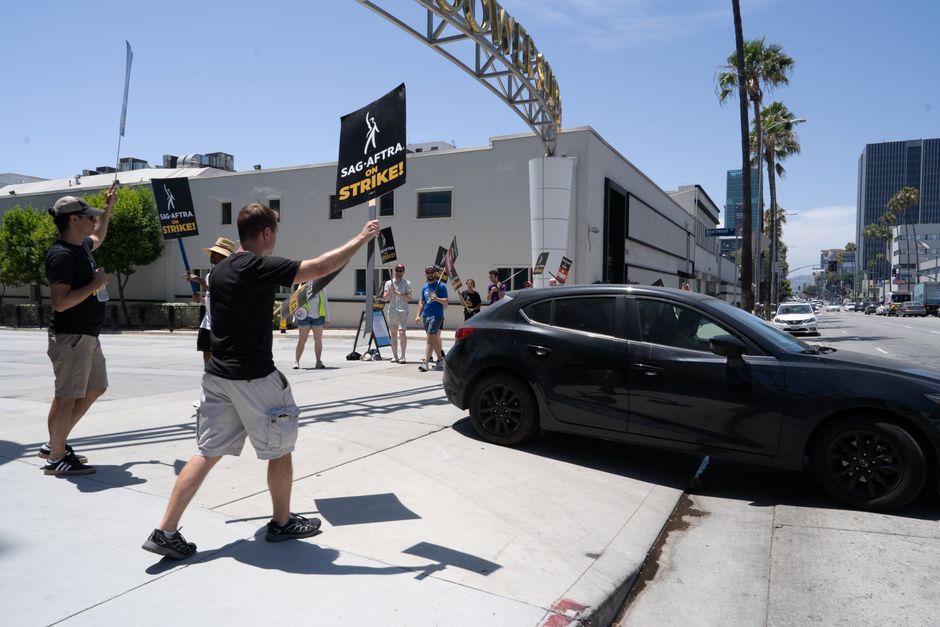
The unionization effort at Rockstar headquarters in New York, with satellite campaigns at offices in San Diego, Toronto, and the United Kingdom, represents a coordinated, sophisticated approach. Unlike previous attempts in gaming, this movement didn’t start with a single dramatic incident. Instead, it built gradually through internal organizing committees that quietly built support across departments.
In March 2024, workers filed with the National Labor Relations Board to form a union. The campaign emphasizes specific, achievable demands rather than sweeping ideology. They want:
- Mandatory overtime limits and reasonable scheduling practices
- Transparent compensation structures and clear promotion pathways
- Mental health resources and mandatory rest periods during crunch
- Parental leave policies matching or exceeding industry standards
- Job security guarantees against sudden layoffs after major releases
- Meaningful input into workplace decisions affecting their daily lives
What makes this different from previous gaming union campaigns is the timing and leverage. Rockstar workers aren’t organizing during a quiet development period. They’re organizing during final polish and optimization phases of the most anticipated game in years. They have genuine negotiating power, and both the workers and the company know it.
Industry Response and Broader Implications
The response from the gaming industry has been mixed. Some studios, like Quantic Dream in France, have quietly improved working conditions to preempt unionization. Others, like certain publishers in Japan, have resisted harder. Rockstar’s parent company, Take-Two Interactive, has maintained a neutral public stance while reportedly engaging with the union organizers privately.
For game developers across the industry, the Rockstar campaign sends a clear message: unionization is possible, even at massive studios with complex corporate hierarchies. The Writers Guild of America, which represents video game narrative designers, has been supportive. The International Game Developers Association (IGDA) has remained officially neutral while documenting labor conditions across studios.
Statistics tell part of the story. According to a 2023 survey by the Game Developers Conference, 42% of developers report experiencing burnout, up from 37% in 2021. Female developers report higher rates of both burnout and harassment. Turnover in the industry averages 25-30% annually, significantly higher than software engineering generally. These aren’t just numbers—they represent real people leaving careers they loved because the conditions became untenable.
What Unionization Could Mean for GTA VI
Here’s the question everyone’s asking: Will unionization actually happen before GTA VI ships? The answer is complicated. NLRB processes take time. Typically, a representation election occurs 25-35 days after filing, though Rockstar could challenge various aspects of the petition. Even if workers vote to unionize, negotiating an actual contract takes months or years.
But the pressure is real. Take-Two can’t afford significant production delays on GTA VI. The game generates enough anticipation that any scandal—including reports of poor labor practices—could impact sales and company reputation. Industry observers expect that whether or not formal unionization happens, Rockstar will likely make concessions on scheduling, compensation, or both, just to defuse the situation.
The precedent matters more than the immediate outcome. If Rockstar workers successfully unionize, it legitimizes the approach for developers everywhere. If they’re defeated, it sends the opposite message. The entire industry is watching closely.
What This Means for Aspiring Game Developers
For people considering careers in game development, the unionization movement at Rockstar is genuinely important information. It signals that working conditions aren’t immutable. Developers don’t have to accept crunch as inevitable. They have collective power to negotiate better terms.
At the same time, aspiring developers should understand the landscape. Some studios genuinely maintain reasonable hours and respectful working conditions. Others still operate on the old model. Research companies before applying. Look at Glassdoor reviews and developer forums. Ask about concrete scheduling practices during interviews. Find out whether a studio actually respects time off or just claims to.
The Rockstar campaign also demonstrates that labor organizing works best when coordinated across multiple locations and departments. If you’re considering unionization at your own studio, building broad support before going public dramatically improves your chances of success.
Key Takeaways and What Happens Next
The movement for Rockstar workers to unionize represents the most significant labor organizing push in gaming history. It reflects genuine, widespread dissatisfaction with crunch culture and compensation practices. It’s not a passing trend; it’s part of a broader shift in how creative workers view their labor and their value.
For game developers, the moment requires engagement. If you work in the industry, consider what working conditions you’ll accept and what you won’t. Connect with colleagues about shared concerns. Follow labor organizations like the IGDA and Games Workers Unite. If you’re job-hunting, ask hard questions about company culture and scheduling practices.
For consumers, understand that the games you love are made by humans whose working conditions have traditionally been terrible. Supporting labor organizing doesn’t require boycotts; it requires awareness. Know what’s happening behind your entertainment and respect the workers creating it.
Finally, for the industry itself: the Rockstar unionization campaign is a wake-up call. The old model of burning out developers to maximize profits isn’t sustainable anymore. The next generation of game creators will demand better.
Studios that adapt—offering reasonable hours, transparent compensation, and genuine input on working conditions—will attract and retain the best talent. Those that resist will face continued organizing, public relations challenges, and ongoing talent loss. The future of game development won’t be determined by graphics engines or design innovations.
It’ll be determined by which studios figure out how to treat their workers like valued humans rather than interchangeable resources..
Frequently Asked Questions
Why are Rockstar workers pushing to unionize?
Rockstar workers are organizing to address long-standing issues including excessive crunch schedules (100+ hour weeks reported), compensation gaps where executives profit significantly more than developers, inadequate mental health support, and lack of job security after major releases. The unionization effort aims to establish mandatory overtime limits, transparent pay structures, and meaningful workplace input.
When will the Rockstar union vote happen?
Workers filed unionization petitions with the National Labor Relations Board in March 2024. NLRB representation elections typically occur 25-35 days after filing, though the company can challenge various aspects of the petition, potentially extending the timeline. No formal vote date has been publicly announced as of now.
Will unionization delay the release of GTA VI?
Unionization itself wouldn’t necessarily delay GTA VI since negotiations typically occur after a union is formed and recognized. However, Rockstar may proactively negotiate labor improvements to avoid disruption during the critical final development phases. The game’s release timeline appears to remain on track regardless of unionization outcomes.
What other game studios have unionized?
No major AAA game studio has successfully completed full unionization yet, though organizing efforts exist across the industry. The Writers Guild of America represents narrative designers, and various studios like Quantic Dream have improved conditions preemptively. Rockstar’s campaign is the most visible and high-stakes unionization attempt in gaming history.
How much do Rockstar game developers actually earn?
Rockstar compensation varies by role and experience: senior developers earn $150,000-$180,000, while junior and mid-level staff typically earn $60,000-$90,000. These figures are above industry average, but workers argue they’re insufficient given extreme overtime expectations and the billions in revenue their work generates.
What specific demands are Rockstar workers making?
Key demands include mandatory overtime limits and reasonable scheduling practices, transparent compensation structures with clear promotion pathways, comprehensive mental health resources, parental leave policies matching industry standards, job security guarantees against post-release layoffs, and meaningful employee input on workplace decisions affecting their daily work.