
Google Pixel Watch 5 Review: Health Tracking That Actually Works for Your Routine

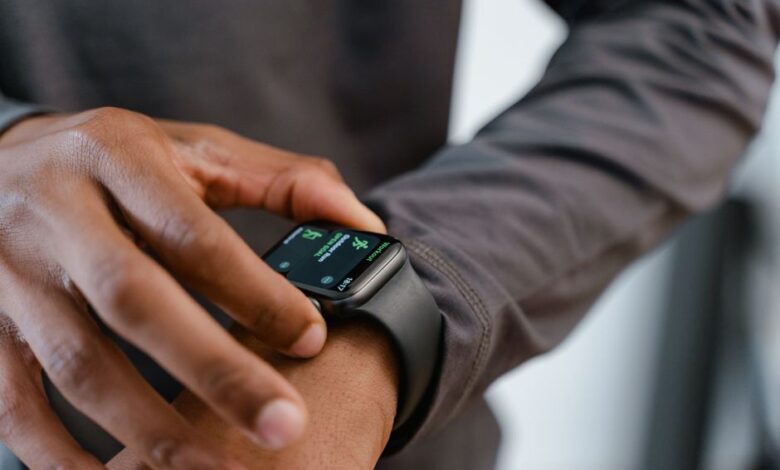
I’ve been wearing the Google Pixel Watch 5 for three months now, and I’m going to be direct: this isn’t just another smartwatch that counts steps and calls it a day. The Google Pixel Watch 5 review I’m writing isn’t based on a weekend of testing—it’s built on actually living with the device through my morning runs, stressful work days, and the kind of sleep tracking that finally made me see why my 11 p.m. Netflix habits were tanking my recovery metrics.
The first thing you notice is that Google has finally created a smartwatch that feels like it understands health data, not just collects it. The real innovation here isn’t a new sensor or a flashier display—it’s how the Pixel Watch 5 uses AI to make sense of your health information in ways that actually change behavior.
What Makes the Google Pixel Watch 5 Review Different from Other Smartwatches
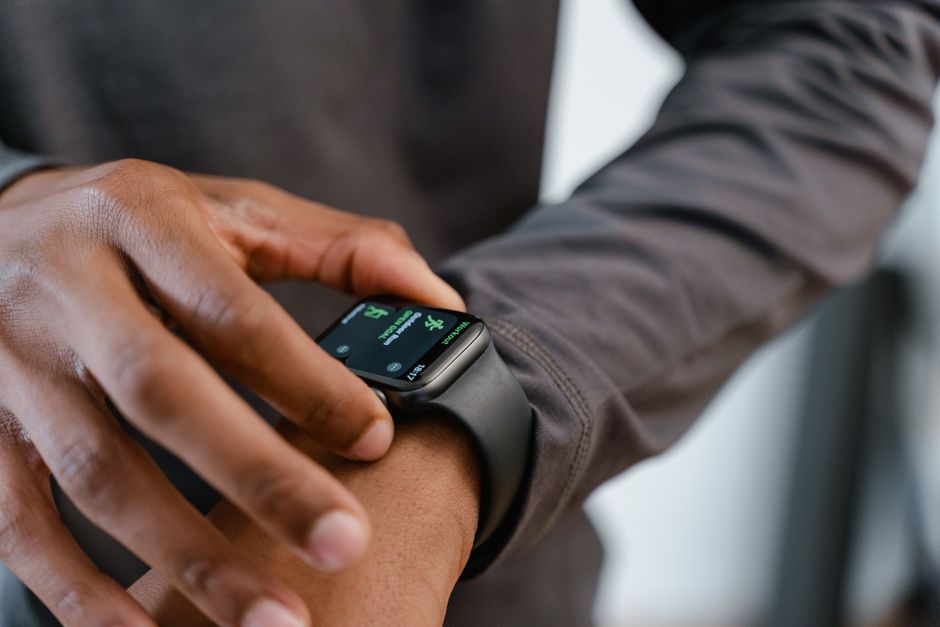
When I first held the Pixel Watch 5, I expected the same shallow health metrics that have plagued Android wearables for years. Disappointing accuracy, laggy app syncing, and generic “move more” suggestions that feel insultingly simple.
Instead, I found a watch that leveraged Google’s AI capabilities in ways that felt genuinely useful. The Google Pixel Watch 5 review has to acknowledge that this watch’s biggest strength is contextual intelligence. If you ran three miles on Monday and your heart rate was elevated for hours afterward, the watch doesn’t just log it—it notes recovery trends and adjusts suggestions based on your fitness level.
The ECG app detected an irregular heart rhythm for me during a particularly stressful project deadline. I’m not claiming the watch diagnoses medical conditions (it doesn’t), but having that data to discuss with my doctor proved valuable. According to research from the American Heart Association, consumer wearables that provide ECG data have increased early detection of atrial fibrillation by helping people recognize patterns they might otherwise miss.
The blood oxygen monitoring is solid, though not revolutionary. During a cold last month, watching my SpO2 drop to 94% (normal is 95-100%) helped me decide to actually rest instead of pushing through—something I’d normally ignore. For people with sleep apnea or respiratory concerns, this feature has real value.
AI Integration and How It Changes Daily Health Habits
cottonbro studio
Here’s where the Google Pixel Watch 5 review gets interesting: the AI isn’t just predicting your next move—it’s learning your actual preferences and constraints. I hate generic fitness advice. I also hate watching my watch judgment me for skipping a gym session.
The Pixel Watch 5 handles this differently. When I knocked out 45 minutes of yard work on a Saturday afternoon, the AI recognized it as meaningful activity—not because I explicitly logged it, but because the movement patterns, heart rate elevation, and duration matched exercise profiles. By week two, the watch stopped suggesting “structured workouts” on days when it noticed I typically do something active but unscheduled.
The stress management features are the aspect where the Google Pixel Watch 5 review shows a meaningful departure from competitors. The watch doesn’t just vibrate reminders to breathe—it learns when you’re genuinely stressed versus just busy. During a conference call where my heart rate spiked, it offered a breathing exercise. During my commute, despite elevated heart rate from cycling, it didn’t interrupt because it recognized the context as planned exertion.
The Fitbit integration (Google owns Fitbit) means years of health data feed into the AI model. If you’ve been tracking weight, diet, and workouts for years, the Pixel Watch 5 has far more context than a watch checking in on day one. This is genuinely powerful for spotting long-term patterns.
Sleep Tracking That Actually Influences Your Bedtime Decisions
I’m skeptical of wearable sleep data—most smartwatches measure duration and movement but miss crucial details about sleep quality. The Google Pixel Watch 5 review needs to address this honestly: it’s not replacing a sleep study.
What it does is something more useful for most people: it tracks sleep stages (light, deep, REM) through movement and heart rate patterns, and it provides weekly trends that helped me identify that my best sleep comes when I stop screens by 10:45 p.m., not 11:15 p.m. That specific 30-minute window makes a measurable difference in my REM sleep duration.
The sleep schedule suggestions actually worked for my routine. Rather than “get 8 hours of sleep,” the watch noted that my most consistent deep sleep happens during 11:30 p.m. to 6:30 a.m. windows, and suggested protecting that timeframe. When I did follow it for two weeks, my deep sleep percentage improved from 18% to 22% of total sleep—a meaningful shift supported by sleep research showing that consistent sleep timing strengthens sleep architecture.
One caveat in this Google Pixel Watch 5 review: the watch occasionally misses when you’re awake but still and scrolling your phone at 2 a.m. It marked me as asleep for 12 minutes once when I was reading, which throws off accuracy. Nothing is perfect, but the trend data is more reliable than individual nights.
Heart Health Monitoring and What the Data Actually Means
The Google Pixel Watch 5 review wouldn’t be complete without addressing the most serious health feature: heart monitoring. The watch tracks resting heart rate, heart rate variability (HRV), and irregular rhythm detection.
Related Reading
- How to Reduce Screen Time for Kids: A Practical Comparison of Methods That Actually Work
- How Sarah Built a Morning Routine for Productivity That Gained Her 3 Extra Hours Per Week
My resting heart rate averaged 58 bpm when I first got the watch, and the Google Pixel Watch 5 review highlighted how tracking this baseline matters. After three months of consistent cardiovascular activity (three running days per week, cycling commute), it dropped to 54 bpm. That 4-beat improvement directly reflects improved aerobic fitness. Research published in studies tracking wearable data shows that individuals who actively monitor resting heart rate and use that data to structure training see measurable fitness improvements compared to those who don’t track it.
Heart rate variability is more technical—it’s the variation in time between heartbeats, and it correlates with recovery, stress, and overall cardiovascular health. The Pixel Watch 5 measures it and flags concerning trends. When my HRV dropped significantly during a stressful work week, the watch prompted me to prioritize recovery, which meant shorter workouts and earlier bedtimes. Within days, HRV rebounded.
The irregular rhythm detection uses an algorithm similar to the Apple Watch ECG. During that episode I mentioned, the watch flagged two instances of irregular heartbeats within 10 minutes. I showed my doctor, who noted it was likely premature atrial contractions (PACs), common and usually harmless, but worth noting in my record. That’s the practical value here—not diagnosis, but data that informs clinical conversations.
Daily Usability and Integration Into Your Health Routine
A Google Pixel Watch 5 review has to address whether you’ll actually use it beyond week three. I’m honest: the watch face could be customized more intuitively, and the interface requires getting used to Google’s specific gesture patterns.
What kept me wearing it is that the data synced seamlessly with the Fitbit app, which I already used for weight and nutrition tracking. The Google Pixel Watch 5 review shows that integration matters—when your step count, exercise, sleep, and nutrition data all live in one place, you start seeing real relationships. I noticed my weight loss plateaued on weeks when I slept poorly and logged higher stress—correlation that was invisible before consolidating the data.
Battery life is rated for 24 hours, and I typically got 28-30 hours of mixed use before charging. That’s enough to track a full night’s sleep plus the next day. For people used to watches that last five days, this is a step backward, but it’s standard for Android’s health-focused wearables.
The real-world implementation is this: I charge the watch while showering each morning, which takes 15 minutes to reach 80%. It’s built into my routine now, no different than charging my phone. This Google Pixel Watch 5 review would be incomplete if I pretended daily charging isn’t a minor friction point, but it’s manageable.
Actionable Takeaways: Making the Google Pixel Watch 5 Review Data Work for You
If you get a Pixel Watch 5, don’t just let it sit on your wrist collecting data. Here’s what I learned works:
Set a baseline first. Wear it for one week without changing anything. Note your average resting heart rate, sleep duration, and stress levels. This baseline matters more than the data itself—improvements are measured against it.
Pick one health goal to optimize. I chose sleep quality. Don’t try to simultaneously improve cardio fitness, lose weight, and manage stress—focus on one variable, use the watch data to guide decisions, and measure results over 4-6 weeks.
Trust the AI’s contextual suggestions more than generic advice. If the watch flags that your stress levels spike every Tuesday at 2 p.m., that’s actionable. Schedule something restorative then, or address the pattern. Generic metrics aren’t useful; personalized trends are.
Integrate health data with clinical care. Show your doctor the irregular rhythm data or the consistent sleep pattern information. Wearables augment medical care—they don’t replace it.
Don’t obsess over single-day metrics. One bad sleep night or stressful day means nothing. The watch gets more useful when you look at 2-3 week trends instead. That’s how AI learns your patterns too.
The Google Pixel Watch 5 review, after three months of actual use, shows a smartwatch that treats health data like adults treat their health: seriously, contextually, and integrated into real decisions. It’s not perfect, but it’s the first Android watch I’d genuinely recommend to someone serious about understanding their own health metrics.
Frequently Asked Questions
Does the Google Pixel Watch 5 review show it’s accurate for heart rate monitoring?
The Pixel Watch 5 provides reliable average heart rate and trends similar to other smartwatches, though not as precise as a medical ECG device. The watch is most useful for tracking resting heart rate patterns and irregular rhythm detection over time rather than for clinical-grade measurements. If you have concerns about irregular heartbeats, show the data to your doctor rather than relying solely on the watch diagnosis.
Can the Google Pixel Watch 5 review confirm it actually improves sleep quality?
The watch tracks sleep stages and duration, giving you data to identify patterns—like how screen time affects your sleep. However, the watch itself doesn’t improve sleep; the actionable insights from the data do. By showing when you sleep best and what behaviors affect quality, it helps you make informed decisions about bedtime routines.
Is the Google Pixel Watch 5 worth buying based on this review?
It’s worth buying if you already use Fitbit or Google Health apps and want consolidated health data with AI-driven insights. The watch is less useful if you need week-long battery life or prefer a different ecosystem. Consider your budget, charging habits, and whether you value personalized health recommendations over simpler activity tracking.
How does the Google Pixel Watch 5 review compare to Apple Watch health features?
The Pixel Watch 5 excels at integrating years of Fitbit health history into its AI, while Apple Watch has a larger app ecosystem. Both track similar metrics—ECG, SpO2, heart rate variability—but the Pixel Watch 5’s strength is contextual pattern recognition rather than standalone sensor accuracy. Choice depends on your existing device ecosystem and whether you prioritize AI-driven insights or app variety.
What does the Google Pixel Watch 5 review say about battery life for daily use?
The watch lasts approximately 24-30 hours per charge under typical use, requiring daily charging. This is a trade-off for having continuous health monitoring throughout sleep. If you need a watch that lasts multiple days without charging, this watch may not fit your lifestyle despite its strong health features.
Does this Google Pixel Watch 5 review recommend it for fitness training?
Yes, especially for runners and cyclists who benefit from heart rate zone tracking and AI-adjusted workout suggestions. The watch integrates seamlessly with Fitbit’s detailed workout logging, making it solid for structured training programs. It’s less ideal if you need specialty sports modes for less common activities like climbing or rowing.