
When Sarah found out she was pregnant at 34, she wasn’t in terrible shape—but she wasn’t exactly thriving either. She worked a demanding marketing job, relied on afternoon coffee runs to power through her day, and hadn’t set foot in a gym since her wedding three years prior. The moment those two pink lines appeared on the test, she knew something had to change.
She’d spent enough time reading pregnancy boards to understand that the next nine months wouldn’t be about making up for lost time or achieving some fitness ideal; instead, she had a real opportunity to build healthy habits during pregnancy that would benefit both her and her developing baby. What she discovered over the course of her second and third trimesters proved that transformation at any age—and at any starting point—was possible with the right approach..
The Wake-Up Call: Understanding Why Healthy Habits During Pregnancy Matter

Sarah’s OB-GYN, Dr. Patel, was direct during her first prenatal visit. Women who maintain regular physical activity during pregnancy experience shorter labors on average—about 40 minutes less than sedentary counterparts, according to a 2019 study published in the Journal of Maternal-Fetal & Neonatal Medicine.
Beyond that, consistent movement and proper nutrition reduce gestational diabetes risk by up to 30%, lower the chance of preeclampsia, and help manage pregnancy-related weight gain in ways that support postpartum recovery. The numbers were compelling, but what really stuck with Sarah was something Dr. Patel said almost casually: ‘Think of these nine months as establishing patterns you’ll actually want to keep.’.
Sarah had always approached health in extremes—either she was ‘being good’ with strict meal plans and intense workouts, or she wasn’t trying at all. Pregnancy forced her to abandon that binary thinking. She couldn’t push herself the way she used to, and honestly, her body was sending pretty clear signals that she needed to listen. By week 14, she was tired. Not the exhausted-after-a-long-day kind, but the bone-deep fatigue that made her understand, viscerally, why rest mattered.
Challenge One: Moving Your Body When Your Body Feels Like a Stranger

Matilda Wormwood
The physical changes came fast. By month four, Sarah couldn’t tie her shoes without getting winded. Her center of gravity shifted. Her lower back ached. The idea of her pre-pregnancy exercise routine—Peloton classes three times a week and the occasional 5K—felt laughable. She considered doing nothing, which is what many women do. About 60% of pregnant women don’t meet basic physical activity guidelines, according to research from the American College of Obstetricians and Gynecologists.
Sarah’s solution wasn’t revolutionary, but it was consistent. She switched to 30-minute walks most mornings before work, starting with a flat, familiar loop around her neighborhood. The first week felt sluggish. By week three, she noticed her energy levels stabilized. Her sleep improved. The walks became her thinking time—no phone, just her thoughts and the physical rhythm of one foot in front of the other.
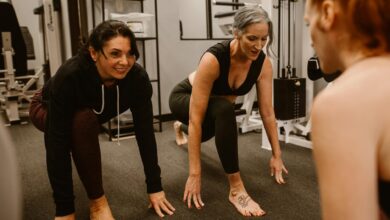
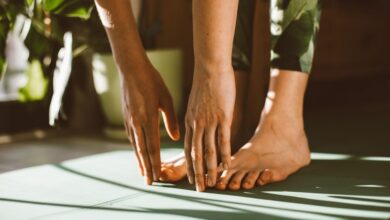
Around month six, when her OB cleared her for it, Sarah added prenatal yoga once a week. She found a class specifically designed for pregnant women and was surprised to discover community there. The other women—some first-time moms, some experienced—became informal accountability partners. They texted each other on non-class days, celebrated small wins, and normalized the very real fact that pregnancy is hard on your body. Research from the Journal of Women’s Health shows that pregnant women who participate in group exercise are 30% more likely to maintain activity throughout their pregnancy, likely because social connection provides motivation beyond self-discipline.
By month eight, Sarah was also doing simple strength work—bodyweight squats, modified push-ups against the counter, leg lifts. She wore a pregnancy tracker that wasn’t obsessive about metrics but gave her gentle daily reminders to move. The goal was never performance or speed. It was sustainability and listening to her body’s actual signals rather than pushing through discomfort.
Challenge Two: Eating for Two Without Eating Like Two
The nutrition piece proved trickier than movement. Sarah had a complicated relationship with food. She’d dieted, felt deprived, rebounded, and found herself in the familiar feast-or-famine cycle. Pregnancy, with its increased caloric needs and intense cravings, threatened to amplify that cycle.
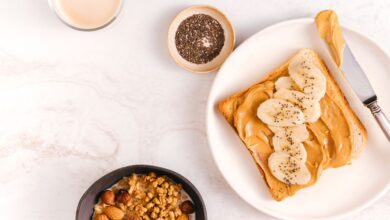
She worked with a registered dietitian specializing in prenatal nutrition—something not every woman has access to, but valuable enough that she decided to make it a priority in her healthcare budget. The dietitian, Maria, immediately reframed pregnancy nutrition. Instead of ‘eating for two,’ the actual recommendation is adding roughly 300 extra calories per day in the second and third trimesters. That’s not double portions; it’s a snack, essentially. An apple with almond butter. A Greek yogurt with berries. A glass of whole milk.
Sarah’s biggest wins came from planning rather than restriction. Every Sunday evening, she and her husband prepped simple proteins—grilled chicken, ground turkey, baked salmon—and roasted vegetables. On tough days, she had something ready to eat rather than defaulting to whatever was quick and usually less nutritious. She added iron-rich foods like spinach and legumes because anemia during pregnancy is common, and she wanted to avoid the exhaustion that comes with it. She prioritized calcium—not through obsessive tracking, but by eating Greek yogurt, cheese, and drinking fortified plant milk since dairy gave her heartburn by month seven.
The cravings were real. Sarah craved ice cream intensely around month five and could have felt guilty about it. Instead, she ate ice cream. But she paired it with intention—a small bowl of good quality ice cream with almonds and berries, not a pint of it nightly, and not while scrolling through her phone in a dissociative state. She could taste it. She enjoyed it. It became part of a balanced whole rather than a sign of failure.
By month nine, Sarah had gained 28 pounds. Her doctor was entirely satisfied with that number. Her blood sugar remained normal—no gestational diabetes. Her blood pressure stayed stable. She felt, for perhaps the first time in her adult life, that she had a genuinely sustainable relationship with food developing.
Challenge Three: Sleep, Stress, and the Mental Piece Nobody Talks About
Here’s what nobody tells you: pregnancy is mentally challenging. Sarah went through periods of real anxiety about whether she was doing enough, whether she’d be a good mother, whether her body would recover. The mental load of pregnancy sits alongside the physical changes and shouldn’t be treated as separate from health.
She started a simple sleep protocol by month five. No screens after 9 p.m.—her blue light exposure was triggering restless sleep. She kept her bedroom cool, around 65 degrees Fahrenheit. She read actual books instead of scrolling. This might sound basic, but pregnant women are already dealing with frequent urination, back pain, and the general physical awkwardness of a changing body. Better sleep hygiene can’t cure those issues, but it can help you handle them with more resilience. A 2020 study in Obstetrics & Gynecology found that pregnant women practicing sleep hygiene reported better overall mood and lower anxiety symptoms.
For stress management, Sarah relied on three specific practices. One: weekly walks in a nearby park, specifically in nature. She wasn’t hiking or doing anything intense, but being around trees, water, and open space became her reset button. Two: weekly check-ins with her husband about non-baby stuff—their relationship, their dreams, what was actually happening emotionally, not just logistically. Pregnancy can make partners feel sidelined, and intentional connection mattered. Three: she joined an online community of pregnant women due around the same time. They video called occasionally, shared real anxieties, and made each other laugh about the absurdities of pregnancy.
Results and What Carried Forward
Sarah delivered a healthy 7-pound, 3-ounce baby boy after 14 hours of labor—comfortably in that shorter range her doctor had mentioned. She recovered faster than she expected, had energy for newborn parenting, and continued the walking habit even with a stroller. The nutrition patterns she built didn’t disappear postpartum. She still preps proteins on Sundays. She still eats ice cream without shame or obsession.
Most importantly, she stopped viewing healthy habits during pregnancy as something she had to white-knuckle through. She built them in ways that felt sustainable because they worked with her body and her actual life, not against them. That’s the real win.
Takeaways for Your Own Pregnancy:
- Movement doesn’t require a gym or pre-pregnancy fitness level. Find what feels good in your body right now—walking, water aerobics, prenatal yoga—and do it consistently.
- Nutrition is about adding mindful choices, not restricting yourself. Work with a healthcare provider or dietitian if possible to make sure you’re meeting your actual needs.
- Sleep and stress management are legitimate health priorities, not luxuries. Treat them accordingly.
- Build community around your pregnancy experience. Isolation amplifies anxiety; connection builds resilience.
- Your body is changing. Give it compassion alongside the habits you’re building.
Frequently Asked Questions
How much should a pregnant woman exercise per week?
The American College of Obstetricians and Gynecologists recommends at least 150 minutes of moderate-intensity aerobic activity per week during pregnancy, such as brisk walking or prenatal yoga. This can be spread across multiple days and adjusted based on your pre-pregnancy fitness level and your doctor’s recommendations.
What foods should pregnant women eat daily?
Pregnant women should focus on iron-rich foods (spinach, lean meat, beans), calcium sources (yogurt, milk, cheese), protein (chicken, fish, legumes), whole grains, and plenty of fruits and vegetables. Aim for the 300 extra calories daily in the second and third trimesters from nutrient-dense choices rather than empty calories.
Is it safe to maintain healthy habits during pregnancy?
Yes, maintaining healthy habits like regular moderate exercise, balanced nutrition, adequate sleep, and stress management is not only safe but recommended by healthcare providers during pregnancy. Always consult your OB-GYN or midwife before starting any new exercise routine or making major dietary changes.
How does exercise during pregnancy affect labor?
Women who exercise regularly during pregnancy typically experience shorter labor—on average about 40 minutes less than sedentary pregnant women—and have fewer complications during delivery. Regular movement also strengthens the muscles needed for labor and supports faster postpartum recovery.
Can pregnant women do prenatal yoga?
Yes, prenatal yoga is specifically designed for pregnant women and is generally considered safe throughout pregnancy. It improves flexibility, builds strength in preparation for labor, reduces stress, and provides community support with other expectant mothers.
What should pregnant women avoid for health and safety?
Pregnant women should avoid high-impact exercises, contact sports, activities with fall risk, alcohol, smoking, unpasteurized dairy products, raw seafood, and high-mercury fish. Always discuss any activity or dietary concern with your healthcare provider to ensure it’s safe for your specific pregnancy.