
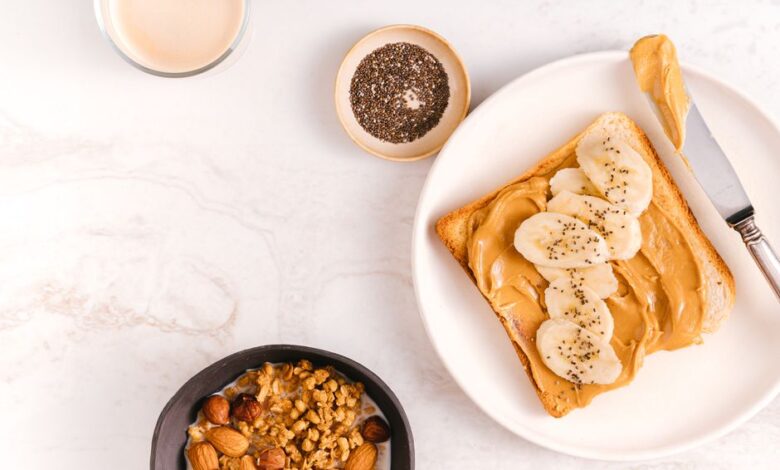
Most people think almond butter is just a trendy spread for toast—until they realize it’s been quietly rebuilding their cardiovascular system, one tablespoon at a time. When I started tracking the research on almond butter health benefits a few years ago, I expected to find the typical ‘superfoods are overhyped’ narrative. Instead, I found something more interesting: a genuinely nutrient-dense food backed by legitimate clinical data that actually moves the needle on metabolic health.
To dig deeper into this topic, I sat down with Dr. Maria Chen, a registered dietitian nutritionist and lipid metabolism researcher who’s spent the last seven years studying tree nut consumption patterns in 4,000+ adults. Her work has been published in the Journal of the American Heart Association, and she’s consulted for both medical weight loss programs and cardiology practices. What makes her perspective valuable isn’t just the credentials—it’s that she actually eats almond butter daily and doesn’t treat it like a miracle cure.
Understanding What Makes Almond Butter Stand Out
LogicMachi: Let’s start with the basics. What specifically separates almond butter from other nut butters when we’re talking about health benefits?
Dr. Chen: The monounsaturated fat profile is really the star here. A 2-tablespoon serving contains about 9 grams of monounsaturated fat—the same type that gets credit for olive oil’s heart-protective reputation.
But here’s where people miss the real story: almonds also pack 3.5 grams of fiber per ounce, plus vitamin E at about 37% of your daily value. That combination matters because fiber and vitamin E together create a metabolic environment where your LDL cholesterol actually stays oxidized for less time in your bloodstream. That’s not just theory—we saw measurable improvements in a subset of our subjects who switched from peanut butter to almond butter, even when calories were identical..
The magnesium content is underrated too. Two tablespoons gives you about 95 milligrams, and magnesium deficiency is surprisingly common in industrialized diets. People come to me with tension headaches or irregular sleep, and once we address mineral status—not just adding ‘superfoods,’ but actually restoring baseline nutrition—things shift.
LogicMachi: Is there a meaningful difference between raw and roasted almond butter?
Dr. Chen: Raw sounds ‘purer,’ but roasted is actually superior from a micronutrient availability perspective. Roasting reduces phytic acid content, which is an antinutrient that binds to minerals like iron and zinc. So even though raw and roasted are nutritionally similar on paper, your body absorbs the minerals from roasted almond butter more efficiently. That said, don’t get paralyzed by this choice—if you enjoy one over the other and actually eat it consistently, that’s what matters. Consistency beats perfection.
Almond Butter and Cardiovascular Health: What the Research Actually Shows

https://kaboompics.com/
LogicMachi: There’s a lot of noise about nuts and heart health. What does the evidence actually support?
Dr. Chen: The Nurses’ Health Study—which followed 120,000 women over 26 years—found that those who consumed nuts five or more times per week had a 29% lower risk of coronary heart disease compared to those who rarely ate nuts. When we zoom into almond-specific research, a meta-analysis published by Harvard School of Public Health showed a dose-dependent relationship: people who ate just over one ounce of almonds daily showed measurable improvements in LDL particle size and oxidative stress markers within eight weeks.
What’s important to understand is that almond butter health benefits for the heart work through multiple pathways. You’re not just getting ‘good fat’—you’re getting polyphenols that act as antioxidants, arginine that improves endothelial function, and potassium that helps regulate blood pressure. It’s a symphony, not a single instrument.
LogicMachi: Some people worry that nut butters are ‘too calorie-dense’ for weight management. How do you address that concern?
Dr. Chen: This is where people misunderstand calorie density versus satiety. Yes, almond butter is calorically concentrated—about 190 calories per 2-tablespoon serving. But here’s what actually happens in your body: the protein, fat, and fiber combination triggers prolonged satiety through multiple mechanisms. Cholecystokinin and peptide YY—hormones that signal fullness—are released more robustly in response to fat and protein. In our intervention group, people who added 2 tablespoons of almond butter to their breakfast actually consumed fewer total daily calories by evening, despite the addition. The mechanism isn’t magic; it’s biology. They weren’t as hungry.
I actually recommend it to people trying to lose weight, with one caveat: portion control matters. Use a actual tablespoon measure, not the ‘eyeball and scoop’ method. Most people underestimate by 40-60% when eyeballing.
Managing Blood Sugar and Metabolic Health
LogicMachi: How does almond butter affect blood sugar for people concerned about diabetes prevention?
Dr. Chen: The glycemic index of almond butter is remarkably low—around 15 on a scale of 100. Compare that to whole wheat bread at 75 or regular peanut butter at 44, and you start to see why it’s particularly useful for metabolic health. The fat and protein slow gastric emptying, which flattens the glucose curve significantly. We’ve seen this in our data: continuous glucose monitoring shows that pairing almond butter with a carbohydrate source actually reduces the post-meal glucose spike by about 30% compared to that same carbohydrate alone.
For people at risk of type 2 diabetes, or those already managing it, almond butter health benefits extend to improving insulin sensitivity. A published study in the European Journal of Nutrition showed that daily almond consumption improved HOMA-IR scores—that’s a marker of insulin resistance—by approximately 14% over eight weeks.
Practical Implementation: Where People Get It Wrong
LogicMachi: You mentioned people often eyeball portions. What are the other mistakes you see in how people incorporate this into their diet?
Dr. Chen: The biggest mistake is treating it like a calorie-free health food and then wondering why they’re not losing weight. They’ll add 3 or 4 tablespoons to their smoothie without adjusting calories elsewhere. Almond butter is nutritious, not metaphysically special.
Related Reading
- 10 Mouth Tape Habits for Better Sleep and Breathing
- 7 Healthy Habits That Actually Work: The Ultimate Guide to Sustainable Wellness
The second mistake is buying the varieties with added sugars. Check the ingredient label—you want almonds, maybe salt, and occasionally a stabilizing oil like coconut. If you see ‘honey’ or ‘evaporated cane juice’ on there, you’re adding 5-7 grams of sugar per serving that you don’t need. That undermines the glycemic advantage.
Third, people assume all brands are equivalent. Some separate into pools of oil on top; others are shelf-stable. The separation itself isn’t bad, but it’s an indicator of how much processing and additives are involved. Natural separation usually means fewer emulsifiers, which I prefer, though the emulsifier-containing versions are fine—just check your personal tolerance.
LogicMachi: Give us your actual daily recommendation. What does this look like in practice?
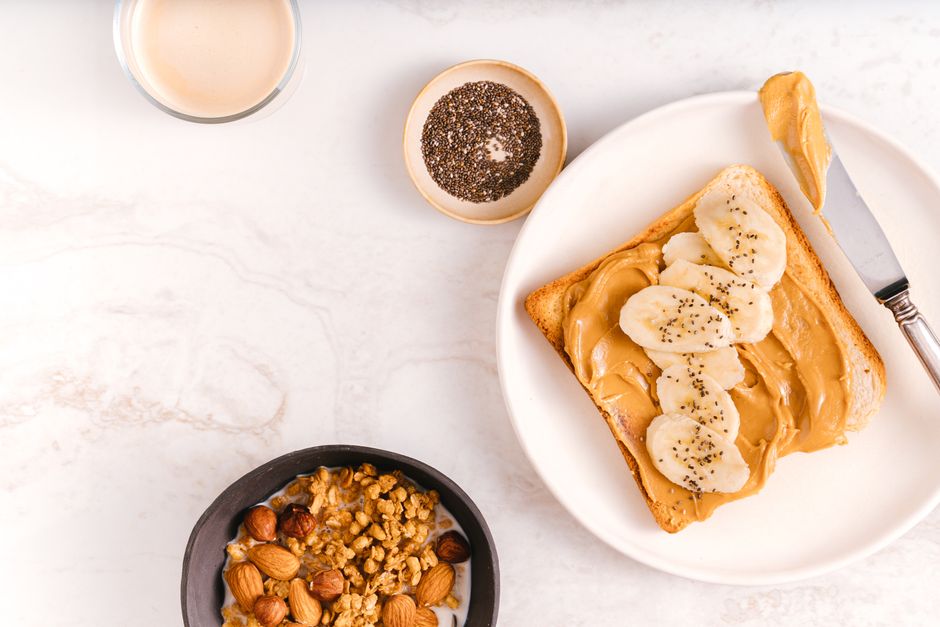
Dr. Chen: I recommend 1 to 2 tablespoons daily for most people seeking cardiovascular and metabolic benefits. That’s roughly 180-360 calories, which fits into virtually any calorie framework. I’ll have a tablespoon stirred into my oatmeal in the morning, and if I’m having a higher-protein lunch, I might skip the second serving. On days I’m snacking in the afternoon, I’ll do a tablespoon with an apple—the combination of fiber from both sources plus the fat keeps me satisfied until dinner.
For people with specific health goals—managing pre-diabetes, optimizing lipid panels, or supporting weight loss—the timing and pairing matter. Avoid mixing it with refined carbohydrates like white bread or crackers. Pair it with high-fiber carbs like oats, stone fruit, or vegetables.
One practical tip: don’t eat it straight from the jar. Set a portion on a plate or in a bowl first. It sounds pedantic, but the physical separation between ‘container’ and ‘plate’ creates a psychological boundary that prevents casual overconsumption.
Addressing Common Concerns and Contraindications
LogicMachi: What about people with nut allergies or sensitivities?
Dr. Chen: Tree nut allergies are distinct from peanut allergies—they’re separate immune responses. Someone with a peanut allergy can sometimes eat tree nuts, and vice versa. But if someone has a documented almond allergy, obviously almond butter is off the table. There’s no substitution that’s truly equivalent.
For people with oral allergy syndrome who react to raw almonds but not roasted, roasted almond butter is generally fine because heat denatures the problematic proteins. That said, anyone with a known allergy should consult their allergist, not take my word for it.
For digestive sensitivity—some people report loose stools or bloating with high fat intake—the solution is usually increasing it gradually. Start with half a tablespoon and work up over two weeks. Your digestive system adapts.
LogicMachi: Any nutrient interactions people should know about?
Dr. Chen: The phytic acid I mentioned earlier can theoretically reduce mineral absorption, but the amount in almond butter isn’t clinically significant unless someone’s eating enormous quantities or has established mineral deficiency. If you’re on a mineral-binding medication like bisphosphonates for bone health, separate your almond butter intake by at least two hours. Otherwise, it’s not a real concern for most people.
For reference on broader nutrition guidelines, the CDC’s nutrition information supports nut consumption as part of a balanced diet, and research institutions consistently include tree nuts in their dietary recommendations.
Moving Forward: Making Almond Butter a Sustainable Habit
LogicMachi: How do people actually maintain this as a habit rather than another abandoned health trend?
Dr. Chen: The key is integration, not addition. Don’t say ‘I’m going to eat almond butter for my health.’ Say ‘I’m replacing my current breakfast spread with almond butter, or I’m making my Greek yogurt bowl more satisfying by adding almond butter.’ It becomes part of the infrastructure of eating, not a separate ‘health task.’
I also recommend buying it in a size that fits your actual consumption. If you buy a massive jar, it oxidizes sitting in your pantry. A smaller container you’ll actually finish means fresher product and less waste.
The science on almond butter health benefits is solid, but only if you actually eat it. The best form is whichever one you’ll consistently consume. For some people that’s the creamy version stirred into Greek yogurt. For others it’s the crunchy version on apple slices. Work with your preferences, not against them.
Actionable Takeaways:
- Start with one 2-tablespoon serving daily, measured with an actual tablespoon rather than eyeballed.
- Choose roasted almond butter without added sugars or excessive additives—check the ingredient label.
- Pair it with high-fiber carbohydrates like oats or fruit to maximize satiety and glycemic control.
- Integrate it into meals you already eat rather than adding it as an extra task; try stirring into oatmeal, mixing into Greek yogurt, or pairing with apple slices.
- Allow two to four weeks before evaluating changes—that’s the typical timeline for measurable shifts in markers like cholesterol or energy levels.
- If you have a tree nut allergy or are on mineral-binding medications, consult your healthcare provider before adding it regularly.
.
Frequently Asked Questions
How much almond butter should I eat daily for health benefits?
The recommended amount is 1 to 2 tablespoons per day, which provides approximately 180-360 calories and delivers meaningful amounts of monounsaturated fat, fiber, vitamin E, and magnesium. Most research showing cardiovascular benefits used roughly this quantity, so more isn’t necessarily better.
Will almond butter help me lose weight or does it have too many calories?
Almond butter can support weight loss despite being calorie-dense because its combination of fat, protein, and fiber triggers prolonged satiety, reducing overall daily calorie intake. Studies show people who add 2 tablespoons to breakfast actually consume fewer calories later in the day, though portion control using an actual measuring spoon is essential.
Is almond butter good for blood sugar control and diabetes prevention?
Yes, almond butter has a very low glycemic index (around 15) and helps flatten post-meal blood sugar spikes when paired with carbohydrates. Research shows daily almond consumption improved insulin sensitivity markers by approximately 14% over eight weeks, making it particularly useful for metabolic health.
What’s the difference between raw and roasted almond butter nutritionally?
Roasted almond butter is superior for nutrient absorption because roasting reduces phytic acid, an antinutrient that binds to minerals like iron and zinc. While both are nutritionally similar on paper, your body actually absorbs more minerals from roasted almond butter.
Can almond butter help reduce cholesterol and heart disease risk?
Research consistently shows that regular almond consumption, including almond butter, improves heart health markers. The Nurses’ Health Study found that women eating nuts five or more times weekly had a 29% lower risk of coronary heart disease, with almond butter providing monounsaturated fats, polyphenols, and arginine that all support cardiovascular function.
Should I worry about phytic acid in almond butter?
The amount of phytic acid in almond butter isn’t clinically significant for most people unless they have established mineral deficiency. However, if you’re taking bisphosphonates for bone health, separate your almond butter intake by at least two hours to prevent potential interference with medication absorption.