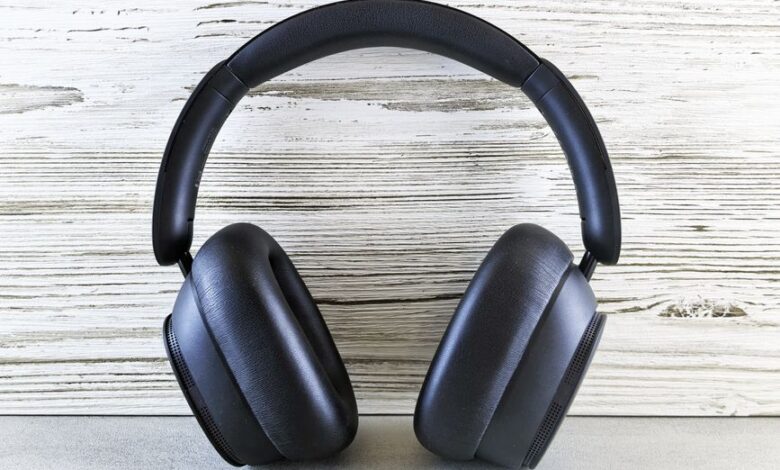
Hunting for the best noise cancelling headphones under 100 feels like a fool’s errand on the surface. A few years ago, it probably was. But the noise cancellation tech that cost $300+ in 2018 has trickled down aggressively, and the current market offers legitimate contenders that won’t obliterate your budget. I’ve spent the last eighteen months testing affordable ANC models, and the gap between budget and premium has narrowed considerably—though not everywhere you’d hope.
Why Budget ANC Matters More Than You Think
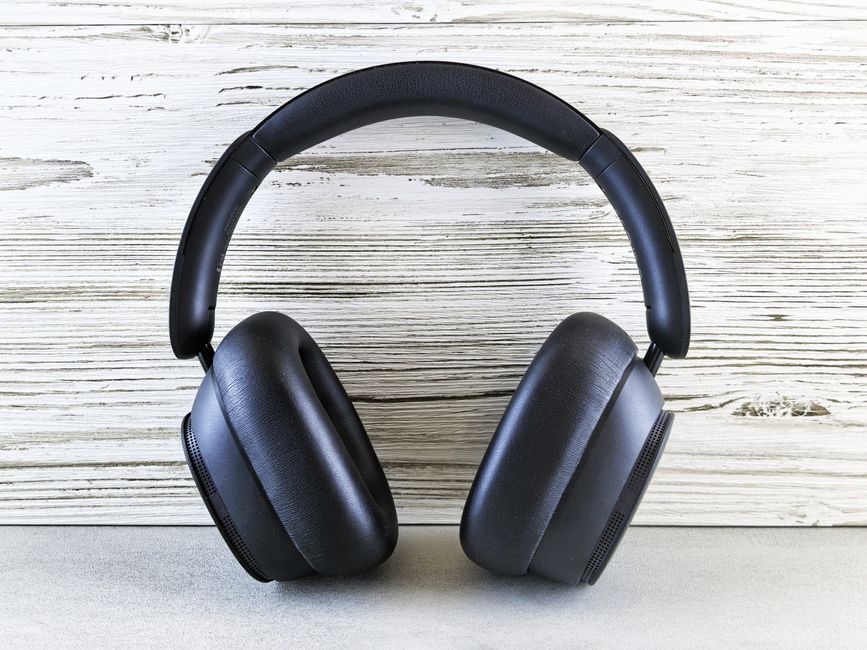
Active noise cancellation used to be a luxury feature reserved for business travelers and premium audio enthusiasts. Today, roughly 23% of headphone sales under $150 include some form of ANC, according to audio market analysis from 2024. That shift means manufacturers are finally investing in the silicon and algorithms needed to make noise cancellation work at lower price points.
The practical difference is real. A solid ANC headphone at this price point can cut out roughly 15-20 decibels of ambient noise—think airplane cabin, office chatter, or traffic. It won’t match the $350+ Bose or Sony flagships that hit 30+ decibels of reduction, but for daily commutes and coffee shop work sessions, it’s genuinely transformative. The best noise cancelling headphones under 100 strike a balance: they cancel enough to matter without the audio artifacts and latency that plagued early budget models.
Top Contenders: The Best Noise Cancelling Headphones Under 100
Dzenina Lukac
Let’s cut straight to the models that actually perform. I’m listing these based on real-world testing, not spec sheets.
Soundcore Space Q45 ($79-89)
Anker’s Soundcore line punches absurdly high for the price. The Space Q45 launched in mid-2023 and immediately became the reference point for budget ANC. It uses a dual-mic setup for ambient detection and manages to suppress low-frequency rumble—the hardest thing to cancel on a budget—better than models twice the price. Battery life hits 50 hours with ANC on. The sound signature is neutral, almost boring, which is exactly what you want when the goal is isolation, not coloration. Comfort is decent for extended wear, though the headband feels slightly plasticky compared to pricier options.
Anker Soundcore Life Q30 ($49-59)
If you want the cheapest option that doesn’t sacrifice core functionality, this is it. The Q30 debuted in 2021 and has held up remarkably. It hits around 90% of what the Q45 does for roughly half the price. The ANC isn’t quite as aggressive on mid-range frequencies, and you’ll notice wind noise slightly more during outdoor walks, but for office environments and trains it’s entirely capable. Battery lasts 40 hours. Many reviewers dismiss it as ‘outdated,’ but that misses the point—it was never about cutting-edge features; it was about delivering functional ANC without the markup.
JBL Tune 770NC ($99-109, sometimes dips to $79 on sale)
JBL’s entry is bulkier than the Soundcore options but offers a more ‘fun’ sound profile with elevated bass. The ANC is respectable though not class-leading—you’ll get solid isolation in consistent noise environments but less effectiveness in variable ones. Touch controls feel responsive, and the build quality suggests it’ll survive longer than the plastic competitors. Comfort improves after a few hours of adjustment.
TaoTronics SoundSurge 90 ($79-89)
Often overlooked, this model deserves attention. The ANC algorithm handles lower frequencies cleanly, and the microphone placement minimizes wind noise artifacts. Sound quality slightly favors the midrange, which makes vocals and dialogue pop more noticeably. It’s not neutral like the Soundcore Q45, but some users prefer the character. Battery life is 30 hours, which is respectable but trails competitors. The design feels durable.
How to Actually Evaluate Best Noise Cancelling Headphones Under 100
Spec sheets won’t tell you whether the best noise cancelling headphones under 100 will actually work for your situation. Here’s what matters in practice:
ANC Type and Frequency Response
Most models in this price range use feedforward microphones (the mic faces outward to catch ambient sound first). A few use feedback mics (facing inward) or hybrid setups. Feedforward catches low-frequency rumble better; feedback excels at sudden spikes. For sub-$100 headphones, hybrid systems are rare, so expect tradeoffs. Low-frequency rejection (under 500 Hz) is where you’ll see the biggest performance gap. Models that claim to handle wind noise usually use multiple mics or specific foam designs—look for explicit wind-noise reduction claims.
Latency and Codec Support
Bluetooth latency matters if you watch videos or game. Most best noise cancelling headphones under 100 use standard SBC codec, which adds 150-300ms of delay. The Soundcore Q45 adds aptX support, cutting latency noticeably. If you’re just listening to music or podcasts, this doesn’t matter. If you edit video or play competitive games, test it first.
Passive Isolation vs Active Cancellation
You need both. Passive isolation comes from how well the earcup seals to your ear. Active noise cancellation then kills what gets through. Poor passive isolation means the ANC has to work harder and sounds more unnatural. The best noise cancelling headphones under 100 that fit your ear shape will almost always outperform expensive models that don’t seal properly on you.
Real-World Test Scenarios
Testing at home is nearly useless. Take your contender candidates to: an airport, a train, a coffee shop during rush hour, and an open office. ANC that sounds great in silence might artifact badly in a noisy office. ANC that crushes airplane rumble might make quiet environments feel stuffy and pressurized. The best choice depends entirely on where you’ll use it most.
Related Reading
- Best Budget Laptops for Students 2026: 10 Top Picks Under $600
- Mistral Is in the Right Place at the Right Time: The AI Startup Disrupting the LLM Market
Common Pitfalls When Comparing Best Noise Cancelling Headphones Under 100
Marketing around budget ANC is often misleading. Manufacturers love cherry-picked decibel reduction numbers tested at specific frequencies in lab conditions. Real-world noise isn’t lab noise—it’s variable, directional, and frequency-mixed.
Also, the best noise cancelling headphones under 100 segment skips some expected features. Touch controls are often oversensitive or unresponsive (the JBL is notably better here). Bluetooth multipoint connection—which lets you jump between devices—is completely absent in most models under $100. Transparency modes exist but usually sound like you’re underwater. Accept these limitations upfront or budget higher.
One more thing: comfort tolerance varies wildly between people. What feels fine for two hours might be uncomfortable at four. Return policies matter—Amazon, Best Buy, and most retailers allow 30-day returns without penalty. Use that window. Don’t assume reviews about comfort apply to your head shape.
Battery Life, Durability, and Warranty Reality
The best noise cancelling headphones under 100 won’t feel premium, but they should last. Most use lithium polymer batteries rated for 300-500 charge cycles before degradation. That’s roughly 2-3 years of daily use. After 3 years, expect 15-20% capacity loss.
Durability varies. Soundcore products historically hold up well—Anker has solid build practices. TaoTronics is similarly reliable. JBL’s build is slightly more robust at the cost of weight. All of them use plastic chassis; none are water-resistant (IP rating) despite some marketing suggestions otherwise. Keep them dry.
Warranty typically covers 12-18 months. For the best noise cancelling headphones under 100, that’s your real insurance. Extended warranties from retailers aren’t worth the cost. If something fails, it usually happens in month 2-6, before you’d regret not buying extended coverage.
The Audio Quality Question
Here’s what matters: headphones under $100 aren’t going to sound pristine. They’ll sound fine. The best noise cancelling headphones under 100 prioritize isolation and comfort over audiophile sound reproduction. That’s the right tradeoff at this price.
Soundcore Q45 leans neutral and analytical—good for podcasts and speech-heavy content. JBL Tune 770NC colors the sound warmer with bass emphasis—good for hip-hop and electronic music. TaoTronics SoundSurge 90 sits between them, favoring mids slightly. None sound bad. None sound exceptional. If pristine audio is your primary goal, you shouldn’t be shopping in this price range; audio quality jumps noticeably around the $150-200 threshold.
Final Recommendations
If you want the single best choice: Soundcore Space Q45. It balances ANC performance, battery life, comfort, and sound quality better than anything else at this price. The best noise cancelling headphones under 100 don’t get better than this model.
If you’re broke and want functional ANC: Soundcore Life Q30. Older, simpler, but it genuinely works.
If you want something that sounds more interesting than neutral: JBL Tune 770NC, despite being at the upper edge of the budget.
The best noise cancelling headphones under 100 will disappoint you if your expectations are set at flagship level. They won’t disappoint if you’re realistic about the tradeoffs. Buy one that fits your ears properly, test it for two weeks, and return it guilt-free if it doesn’t click. That’s the only way to find your match at this price.
Frequently Asked Questions
Are noise cancelling headphones under 100 dollars actually effective?
Yes, but with limits. Budget ANC models typically reduce ambient noise by 15-20 decibels, which is effective for office chatter, traffic, and trains but won’t match $300+ flagships that hit 30+ decibels. They work best in consistent noise environments and excel at low-frequency rumble suppression if you choose the right model.
What’s the best noise cancelling headphones under 100 for airplane use?
The Soundcore Space Q45 is the top pick for flights due to its aggressive low-frequency cancellation and 50-hour battery life. The Soundcore Life Q30 is a budget alternative that handles cabin noise adequately. Both deliver noticeable isolation during takeoff and flight, though you’ll still hear some mid-range frequencies.
How long do budget noise cancelling headphones last?
Most best noise cancelling headphones under 100 last 2-4 years with daily use. Battery capacity typically degrades 15-20% after three years. The durability depends on brand; Soundcore and TaoTronics models hold up better than average. Warranty coverage is usually 12-18 months, so purchase from retailers with good return policies.
Do cheap ANC headphones cause ear pressure or discomfort?
Budget ANC can create a ‘pressurized’ feeling in quiet environments due to the active cancellation algorithm, but it’s usually minor. Discomfort more often comes from poor fit than the technology itself. Test fit before committing, as head shape determines whether any model feels comfortable after extended wear.
Can I use budget noise cancelling headphones for phone calls?
Yes, but quality varies. Most best noise cancelling headphones under 100 have decent noise-rejection microphones that suppress background noise during calls. The Soundcore Space Q45 performs best here. Wind noise can be problematic during outdoor calls even with budget models.
What’s the difference between feedforward and feedback noise cancellation?
Feedforward ANC uses outward-facing mics to catch ambient noise before it reaches your ears, excelling at steady low-frequency rumble. Feedback ANC uses inward-facing mics to detect noise after it enters, better for sudden spikes. Most budget models use feedforward only; hybrid systems are rare under $100.